
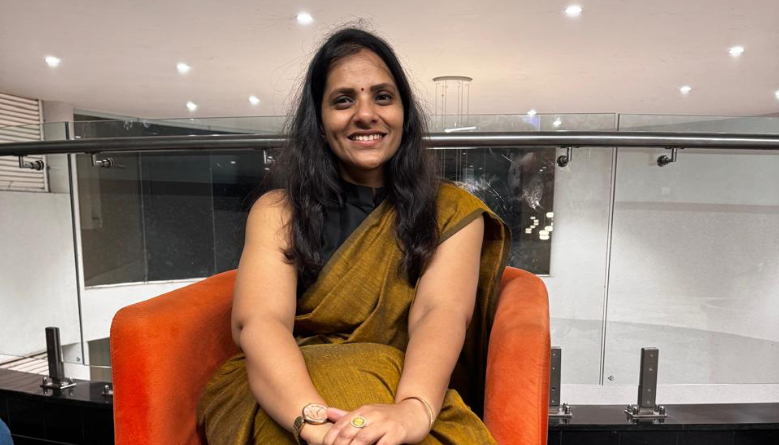
“True success is not just about achieving more, but about bringing more humanity and compassion into the way we live and lead.” — Ruchi Bansal
In boardrooms, performance reviews, and corporate corridors around the world, success is often measured by numbers — revenue targets, productivity metrics, and professional milestones. Yet behind many of these achievements lies an uncomfortable reality: increasing stress, emotional fatigue, and a growing sense of disconnection among professionals.
While organizations continue to chase efficiency and performance, one essential human value is often overlooked — compassion.
For Ruchi Bansal, addressing this gap has become a personal mission.
A software project manager in the automotive industry, Ruchi is on a mission to bring compassion into every sphere of life — not only in our personal world but also in the professional spaces where people spend most of their time.
But her perspective on compassion and leadership did not emerge from theory alone. It was shaped through lived experience.
When Success Doesn’t Feel Like Success
Like many driven professionals, Ruchi once found herself deeply immersed in the pursuit of excellence. Meeting deadlines, managing responsibilities, and constantly striving to perform at a high level gradually became part of her everyday routine.
But over time, the pressure of maintaining this pace began to take a toll.
At one point in her career, the weight became so overwhelming that she stepped away from her job — not once, but twice.
What could have been seen as professional setbacks instead became powerful moments of introspection.
During that time, she realized something that many professionals quietly experience but rarely speak about: success on the outside does not always reflect emotional well-being on the inside.
This realization became a turning point that reshaped how she viewed achievement, leadership, and personal growth.
Redefining the “Superwoman” Myth
Modern culture often celebrates the idea of the “Superwoman” — someone who excels professionally while effortlessly managing family, relationships, and personal responsibilities.
While the idea may sound empowering, Ruchi believes it can quietly create unrealistic expectations and emotional pressure.
“The Superwoman label may sound inspiring, but it often becomes an invisible burden,” she says. “It encourages women to keep pushing themselves without acknowledging their own emotional needs.”
Through her conversations, content, and speaking engagements, she encourages women to shift their focus away from perfection and toward self-awareness, balance, and compassion for themselves.
Because true strength, she believes, lies not in doing everything flawlessly, but in understanding priorities and honoring personal well-being.
Bringing Compassion into Leadership
Ruchi’s reflections extend beyond personal growth into the professional world.
Through her experience managing projects and working within corporate environments, she has observed that many workplace challenges are not caused by a lack of technical expertise or professional capability.
Instead, they often arise from the absence of empathy, understanding, and emotional safety.
When people feel respected and valued, they contribute more meaningfully, collaborate more openly, and perform with greater motivation.
This insight has shaped her belief in the importance of compassionate leadership.
“Compassionate leadership does not weaken organizations,” Ruchi explains. “It strengthens teams, builds trust, and creates workplaces where people can truly thrive.”
In an era where burnout and disengagement are becoming increasingly common, her perspective highlights the importance of combining performance with humanity.
A Vision for a More Compassionate World
For Ruchi, compassion is not limited to leadership philosophies or workplace practices. It represents a broader vision for society.
She believes that reconnecting with empathy, kindness, and emotional awareness can transform relationships, communities, and organizations alike.
This vision is reflected in her upcoming book, “World Full of Compassion: A Journey Back to Humanity.”
Through this work, she explores how individuals can rediscover empathy, emotional presence, and deeper human connection in a world that often prioritizes productivity over well-being.
Her mission is simple yet powerful — to remind people that success and compassion do not need to exist in opposition.
In fact, the future of leadership may depend on bringing them together.
A Message for the Modern World
Ruchi believes that every individual has the potential to create meaningful change — not only through achievements, but through the way they treat others.
Her message resonates in a time when many professionals are searching for balance, meaning, and connection in their lives.
As she often reminds people:
“True success is not just about achieving more, but about bringing more humanity and compassion into the way we live and lead.”
And perhaps, in a world constantly striving for progress, that reminder is exactly what we need.
About the Author
Ruchi Bansal is a software project manager in the automotive industry and a thought leader advocating for compassion in both personal and professional life. Through her writing, speaking, and initiatives, she aims to inspire individuals and leaders to build a more empathetic and humane world. She is currently working on her upcoming book “World Full of Compassion: A Journey Back to Humanity.”